 English
 简体中文
简体中文
 Français
 Español
 العربية
 Bahasa Indonesia
 한국어
한국어
 Русский
 Português
 Deutsch
 Polski
 日本語
日本語
 हिंदी
हिंदी
 Türkçe
 Tiếng Việt
 Italiano
 ไทย
ไทย
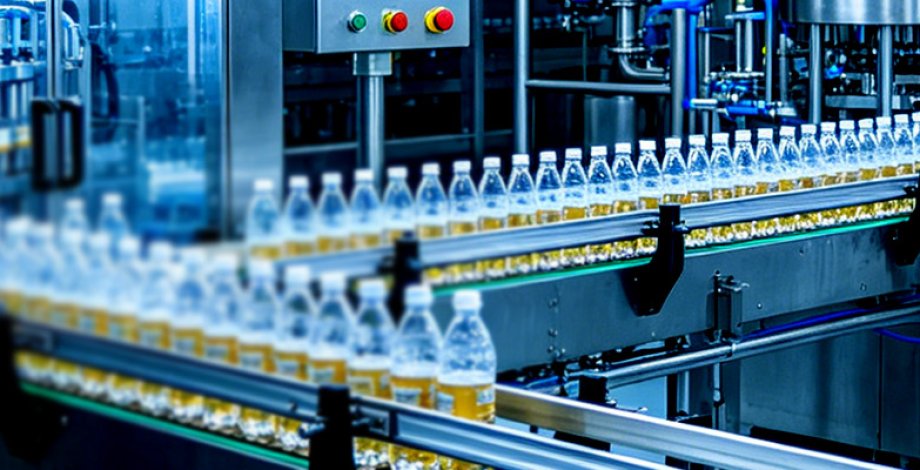
The filling machine is one of the most important pieces of equipment in a beverage production line. It directly affects filling accuracy, production efficiency, product hygiene, packaging quality, and the stability of the finished beverage. For breweries, soft drink manufacturers, juice producers, kombucha companies, and other beverage processors, selecting the right beverage filling machine requires more than simply comparing filling speed.
Different beverages have different physical characteristics, packaging formats, carbonation levels, and hygiene requirements. A filling system designed for still water may not be suitable for beer or carbonated soft drinks. Likewise, a machine used for glass bottles may require different handling and filling technology from a PET bottle or can filling system.
This guide explains the major types of beverage filling equipment, how filling technology works, which factors influence equipment selection, and how to configure a suitable filling machine for commercial beverage production.
What Is a Beverage Filling Machine?
A beverage filling machine is industrial equipment designed to transfer a liquid product from a product tank into containers such as glass bottles, PET bottles, cans, or kegs at a controlled volume or level.
A complete filling process may include:
Container infeed → Cleaning/Rinsing → Filling → Pressure Release → Capping or Seaming → Product Discharge
Depending on the application, the filling machine can also be integrated with a cap sorter, crowner, screw capper, can seamer, labeling machine, conveyor system, pasteurizer, CIP system, and other equipment to form a complete beverage filling line.
For carbonated products, filling technology is particularly important because pressure, temperature, CO₂ content, filling speed, and foam formation must be controlled. Industrial filling systems commonly use dedicated pressure-control and filling-valve technologies for carbonated beverages.
Main Types of Beverage Filling Machines
Beverage filling machines can be classified according to the product, container, filling method, and production capacity.
Filling Machine Type | Typical Products | Container | Key Feature |
| Gravity Filling Machine | Water, juice, still beverages | Glass, PET | Simple filling principle |
| Volumetric Filling Machine | Juice, sauces, beverages | PET, glass, cans | Controlled filling volume |
| Isobaric Filling Machine | Beer, soda, sparkling drinks | Glass, PET, cans | Suitable for carbonated products |
| Counter-Pressure Filler | Beer, carbonated beverages | Glass, PET, cans | Helps reduce CO₂ loss and foaming |
| Hot Filling Machine | Juice, tea, some beverages | PET, glass | Works with hot-fill processes |
| Aseptic Filling Machine | Sensitive beverages | PET, cartons, bottles | Designed for sterile filling conditions |
| Keg Filling Machine | Beer and other draft beverages | Kegs | Pressure-based keg filling |
1. Isobaric Filling Machines
Isobaric filling is widely used for beer and carbonated beverages. Before filling, the container is pressurized to reduce the pressure difference between the product tank and the container.
The filling process generally involves container positioning, gas purging or pre-pressurization, product filling, and controlled pressure release.
This technology is particularly important for beer because uncontrolled pressure differences can cause excessive foaming and CO₂ loss. Modern filling systems use adjustable filling valves and pressure-control systems to manage the filling process.
For breweries and carbonated beverage plants, an isobaric bottle filling machine or counter-pressure filling machine is usually more appropriate than a conventional gravity filler.
2. Counter-Pressure Filling Machines
Counter-pressure filling is another important technology for carbonated beverages.
The basic principle is to establish a controlled pressure environment inside the container before introducing the beverage. This allows the product to enter the container under more stable conditions.
Typical applications include:
Beer
Carbonated soft drinks
Sparkling water
Sparkling wine
Kombucha
Other carbonated beverages
For products containing dissolved CO₂, temperature and pressure are closely related to filling performance. Beverage carbonators also rely on controlled pressure and temperature because higher pressure and lower temperature increase CO₂ solubility.
3. Gravity and Volumetric Filling
Gravity filling is commonly used for still beverages where carbonation is not a major concern. Volumetric filling systems can use flow meters or other measurement technologies to control the amount of product entering each container.
For industrial applications, flow-meter-based filling can provide controlled filling volumes while allowing the machine to be integrated into automated production lines.
These systems are commonly considered for:
Still water
Juice
Tea beverages
Non-carbonated drinks
Some functional beverages
Choosing a Filling Machine by Beverage Type
The beverage itself should be one of the first factors considered when selecting filling equipment.
| Beverage | Recommended Filling Technology | Main Considerations |
|---|---|---|
| Beer | Isobaric / Counter-pressure | CO₂ retention, foam control |
| Carbonated Soft Drinks | Isobaric / Counter-pressure | Pressure, temperature, filling speed |
| Sparkling Water | Isobaric | CO₂ retention and filling stability |
| Juice | Volumetric / Gravity / Hot Fill | Viscosity, pulp, temperature |
| Tea Drinks | Volumetric / Hot Fill | Product temperature and hygiene |
| Kombucha | Counter-pressure / Isobaric | Carbonation and gentle filling |
| Still Water | Gravity / Volumetric | Filling accuracy and hygiene |
| Wine | Gravity / Vacuum / Counter-pressure | Oxygen management and product characteristics |
| Spirits | Volumetric / Gravity | Alcohol concentration and filling accuracy |
The table is a general equipment-selection reference. Actual configuration should be determined by product formulation, carbonation level, viscosity, container type, production capacity, and process requirements.
Glass Bottle vs. PET Bottle vs. Can Filling
Container type is another major consideration.
Glass Bottle Filling
Glass bottles are widely used for beer, wine, premium beverages, and carbonated drinks. Because glass is rigid, it is well suited to pressure-based filling systems. However, the machine should include suitable bottle handling, positioning, and safety measures.
For beer, glass bottle filling systems can be combined with crown capping equipment to create a compact filling and capping machine.
PET Bottle Filling
PET bottles are widely used for water, soft drinks, juice, and other beverages. PET filling systems can be configured for different bottle sizes and production capacities.
For sensitive products, PET filling lines may also incorporate bottle and cap treatment technologies. Aseptic systems, for example, can combine sterilization, filling, and other process modules depending on product requirements.
Can Filling
Can filling machines are commonly used for beer, carbonated soft drinks, energy drinks, and other packaged beverages.
A typical can filling line may include:
Can Depalletizer → Can Rinsing → Filling → Seaming → Inspection → Conveying → Packaging
For carbonated products, filling and seaming need to work together to protect product quality and package integrity.
Key Components of a Beverage Filling Machine
A commercial filling machine normally consists of several interconnected systems.
Product Tank
The product tank supplies beverage to the filling valves. Its design and capacity depend on production requirements and the characteristics of the beverage.
Filling Valves
Filling valves control the product flow into each container. Different products require different valve designs and filling sequences.
For beer and carbonated beverages, valve control is particularly important for managing foam and maintaining stable filling performance.
Pressure Control System
Pressure control is essential for isobaric and counter-pressure filling. The system may control pre-pressurization, filling pressure, CO₂ or gas flow, and pressure release.
Bottle or Can Handling System
Containers must be accurately positioned before filling. Depending on the machine design, handling may involve star wheels, bottle plates, conveyors, grippers, or other mechanisms.
Capping or Seaming System
After filling, the container needs to be securely closed.
Common options include:
Crown capping for beer bottles
Screw capping for PET or glass bottles
ROPP capping for selected beverage applications
Can seaming for aluminum cans
PLC and HMI Control
Modern filling equipment normally uses PLC-based control with an HMI interface. Operators can monitor filling parameters, production status, alarms, and machine operation through the control system.
Why Hygiene and CIP Matter
Hygiene is a critical part of beverage filling equipment design because the filling machine directly contacts the finished product.
Important considerations include:
Food-grade stainless steel construction
Smooth product-contact surfaces
Hygienic piping
Reduced dead spaces
Drainable structures
Easy access for inspection
CIP compatibility
Appropriate sealing and valve design
CIP, or Clean-In-Place, allows product-contact circuits to be cleaned without completely dismantling the equipment. In beverage production, CIP parameters should be optimized according to the product and level of fouling rather than simply using a fixed cleaning program.
For sensitive beverages requiring aseptic processing, the requirements become more demanding. Sterilization, hygienic design, environmental control, and product protection need to be considered as part of the complete filling system.
How to Select the Right Beverage Filling Equipment
Before purchasing a filling machine, beverage manufacturers should define several technical parameters.
1. Product Type
First determine whether the product is carbonated, still, alcoholic, acidic, viscous, hot-filled, or sensitive to oxygen and temperature.
2. Container Format
Specify:
Glass bottle
PET bottle
Aluminum can
Keg
Also provide container volume, neck size, diameter, height, and closure type.
3. Production Capacity
Capacity should normally be expressed as bottles per hour, cans per hour, or kegs per hour.
For example:
500 BPH ≠ 5,000 BPH
A small craft brewery may require a compact semi-automatic system, while a commercial beverage plant may require a high-speed automated filling line.
4. Filling Accuracy
The required filling accuracy depends on the product and packaging specification. The filling system should maintain consistent fill volume or level throughout production.
5. Carbonation Level
For beer and carbonated soft drinks, the carbonation level directly affects the filling process. The filler should be designed according to the actual CO₂ content and product temperature.
6. Automation Level
Filling machines can be designed as:
Manual
Semi-automatic
Automatic
Fully integrated production lines
The appropriate level depends on production volume, labor availability, budget, and future expansion plans.
Filling Machine and Complete Filling Line Integration
A filling machine is often only one part of a complete beverage packaging system.
A typical automated line can include:
Bottle/Can Handling → Rinsing → Filling → Capping/Seaming → Inspection → Labeling → Coding → Packaging
For breweries, the process may also connect the filler with bright beer tanks, carbonization systems, filtration equipment, CIP systems, and packaging equipment.
For carbonated beverage production, upstream carbonization and cooling can influence downstream filling performance. A carbonator, for example, controls CO₂ dosing in relation to beverage flow and process pressure before the product reaches the filler.
Therefore, filling equipment should be selected as part of the complete production process rather than evaluated as an isolated machine.
Maintenance and Operation Considerations
A filling machine should be designed for convenient operation and maintenance.
Regular maintenance typically includes:
Inspecting filling valves and seals
Checking pneumatic components
Inspecting product pipelines
Verifying pressure sensors
Checking conveyors and transmission components
Cleaning product-contact areas
Running appropriate CIP procedures
Checking electrical and PLC systems
Calibrating filling-related instruments when required
Good maintenance helps maintain stable filling performance and reduce unexpected downtime.
Conclusion
Choosing the right beverage filling machine requires a complete understanding of the beverage, container, production capacity, filling technology, hygiene requirements, and automation level.
For beer and carbonated beverages, isobaric and counter-pressure filling machines are commonly considered because pressure control and foam management are important. For still beverages, gravity or volumetric filling may be more appropriate. Juice, tea, sensitive beverages, and hot-fill products require additional consideration of temperature, viscosity, hygiene, and processing conditions.
A reliable filling solution should not only achieve the required production capacity but also integrate smoothly with upstream processing and downstream packaging equipment. Hygienic design, CIP capability, accurate filling control, suitable container handling, and stable PLC operation are all important factors when evaluating commercial beverage filling equipment.
For beverage manufacturers planning a new production line or upgrading existing equipment, the most effective approach is to provide the equipment manufacturer with the product type, container specification, filling volume, carbonation level, required capacity, and automation requirements. These parameters provide the foundation for selecting a suitable filling machine and developing a complete, practical beverage filling solution.