
 English
 简体中文
 Français
 Español
 العربية
 Bahasa Indonesia
 한국어
 Русский
 Português
 Deutsch
 Polski
 日本語
 हिंदी
 Türkçe
 Tiếng Việt
 Italiano
 ไทย
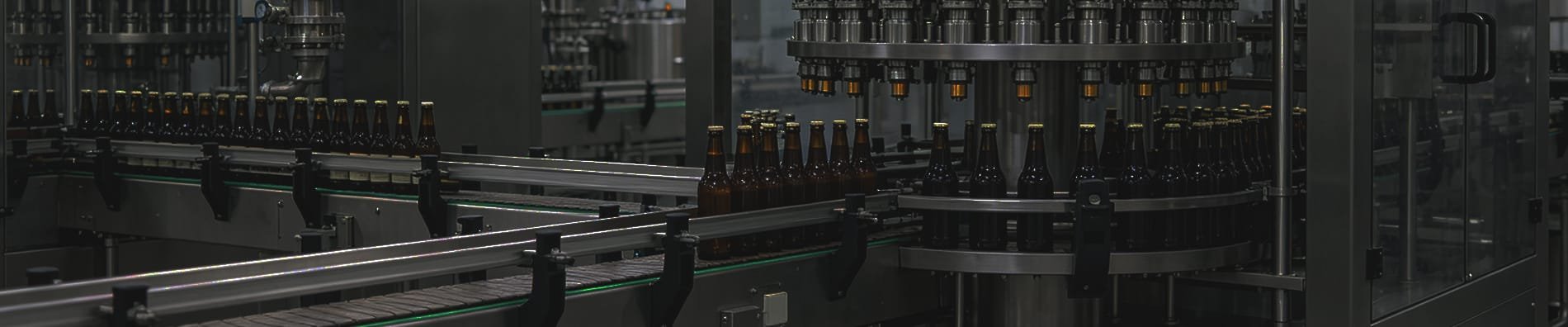
Beer Pasteurizer by Pasteurization Method
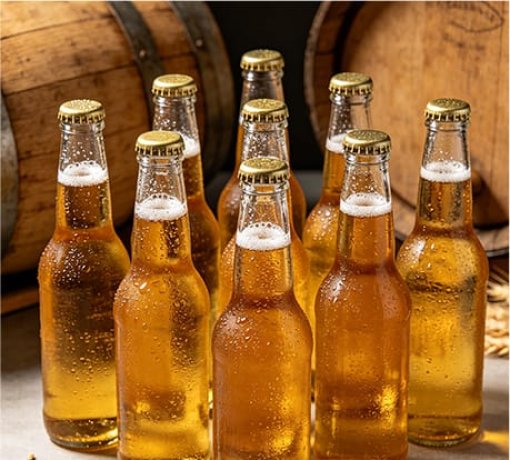
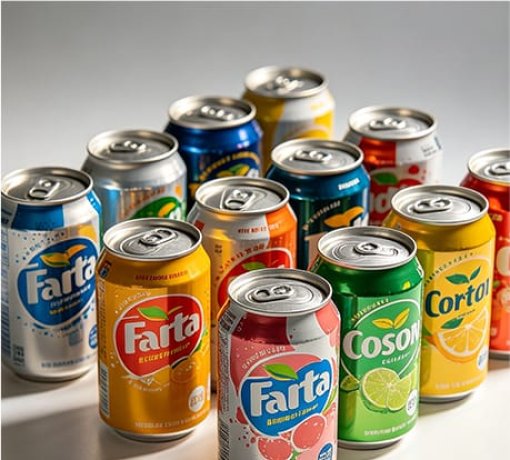
Beer pasteurizers use different pasteurization methods to meet the needs of breweries and beverage producers. Spray tunnel pasteurizers, flash pasteurizers, and batch sterilization pots provide flexible options for beer, carbonated beverages, and other packaged drinks.
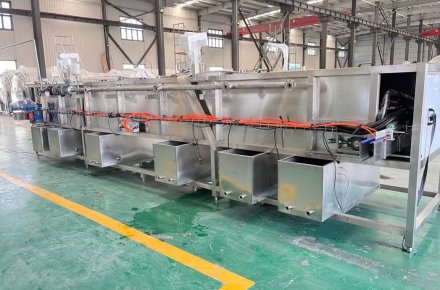
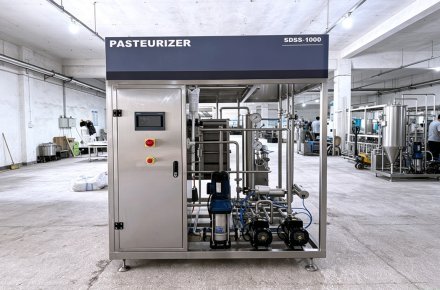
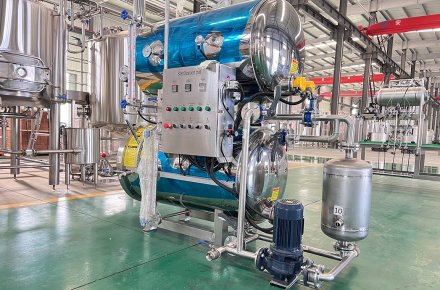
Advantages of Beer Pasteurizer
Precise pasteurization technology, uniform heat treatment, adjustable processing parameters, and hygienic construction support stable beer production.
Precise Temperature Control
Accurate temperature management ensures consistent pasteurization results.
Uniform Heat Treatment
Even heating helps maintain stable processing conditions throughout production.
Adjustable Holding Time
Flexible settings accommodate different beer types and processing requirements.
Extended Product Stability
Pasteurization helps control microorganisms and improve product shelf stability.
Get A Free Brewery Packaging Solution
Tell us about your project and our engineers will design a hybrid new + solution just for you.
Beer Pasteurizer Production Process
Precision production process for reliable beer pasteurizer and efficient beverage packaging solutions.

Design & Planning
Design beer pasteurizer according to customer requirements, including keg type, capacity, and layout to ensure efficient operation.

Precision Manufacturing
Key components are manufactured using high-quality stainless steel and precise machining processes to ensure durability, hygiene, and stable filling performance.

Assembly & Integration
All mechanical parts, filling valves, pipelines, and control systems are carefully assembled to ensure accurate and reliable operation.

Performance Testing
The machine is thoroughly tested for filling accuracy, pressure control, and operational stability to ensure consistent performance during beer pasteurization.

Packing
After final inspection, the machine is documented and securely packed to ensure safe transportation and delivery to the customer.
Beer Pasteurizer Case
Beer pasteurizer suitable for global beer, juice, wine and beverage packaging solutions.

Beer Pasteurizer FAQ
FAQ about beer pasteurizer, including capacity, applications, automation, and customization.
1.What is a beer pasteurizer and why do breweries need one?
A pasteurizer uses controlled heat to inactivate spoilage microorganisms, which extends shelf life and reduces the risk of spoilage during distribution. Breweries typically pasteurize when product has to survive warm storage, long transport or export, where refrigeration cannot be guaranteed through the chain. It is a shelf-life decision rather than a quality improvement: it trades some fresh flavour for stability, which is why the practical target is the minimum effective heat treatment.
2.What is the difference between a tunnel pasteurizer and a flash pasteurizer?
A tunnel pasteurizer sterilises the product after it is packaged: filled bottles or cans travel through successive spray zones and are held at pasteurisation temperature for a set time. A flash pasteurizer sterilises the liquid before filling, using a high-temperature short-time cycle, after which the product is cooled and filled. Tunnel units give a more uniform treatment of the sealed package; flash units expose the product to less total heat and are typically chosen where flavour retention matters most.
3.What is a pasteurization unit (PU) and how is it calculated?
A pasteurization unit (PU) measures the total heat treatment applied, combining temperature and time into a single figure. It is calculated from the time the product spends in each temperature band during the cycle, weighted by how much microbial kill that temperature delivers. PU is the correct way to compare pasteurisation schedules — two products can reach the same PU with very different temperature and time profiles, and therefore very different flavour outcomes. For beer the practical band is 15–30 PU, and the industry benchmark for tunnel pasteurisation is 15–25 PU; the target is set at the lowest point in that band that still delivers the required shelf life. Higher-acid products such as cider and juice need far more — typically 100 PU or above.
4.Does pasteurization affect beer flavour and aroma?
Yes, and the effect scales with total heat load, which is exactly what PU measures. Higher PU means more microbial stability but also more loss of delicate hop aroma, plus some change to body and head retention. This is why the practical goal is to hit the minimum PU that delivers the required shelf life rather than pasteurising as hard as possible. Flash pasteurisation generally applies less total heat than a tunnel for the same target.
5.Which method should I choose — spray tunnel, flash or sterilization pot?
A spray tunnel treats packaged bottles and cans on a continuous line. A flash pasteurizer sits in front of the filler and suits applications where flavour retention matters and the product can be filled hygienically afterwards. A sterilization pot is a batch process, suited to lower volumes or to products handled in batches. The choice follows your packaging format, target output and shelf-life requirement.
6.Does the pasteurizer work for cans as well as glass bottles?
Yes. We supply bottle and can pasteurizing systems, and the spray tunnel format is used for both. Cans heat through faster than glass because the wall is thinner and more conductive, so the temperature and time profile has to be set per container type rather than copied across. In practice the profile is set per container: a can takes a shorter hold time than a bottle of the same volume, and the zone times in the tunnel differ between the two.
7.Should kombucha be pasteurized, and does it kill the cultures?
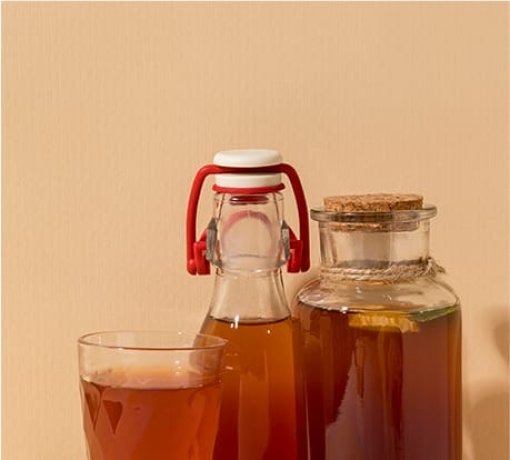
This is a product decision as much as an equipment one. Traditional raw kombucha is unpasteurized and sold live, which limits shelf life and requires a cold chain; pasteurizing gives stability and ambient distribution but removes the live cultures some customers buy it for. There are two equipment routes and one product route. A flash pasteurizer or sterile filtration sits upstream of the filler and suits a lightly stabilised, character-forward style; a spray tunnel downstream stabilises the sealed package for ambient distribution; and raw, unpasteurised kombucha keeps the live cultures, but then shelf life and the cold chain carry the weight instead of the machine. Many producers choose flash pasteurisation or sterile filtration to keep more of the product's character. See our kombucha brewery page.
8.How much water and energy does a tunnel pasteurizer use?
Tunnel pasteurizers spray heated water over the packages, so water and heat consumption are the main running costs. The two figures that decide the running cost are litres of water per 1,000 containers and kilograms of steam per hour at your throughput, and heat recovery typically halves both against a single-pass tunnel. Multistage tunnels with heat recovery zones recirculate cooling water back into the heating stages, which cuts both figures substantially. Ask for consumption at your target throughput rather than at rated maximum, since that is the number that determines operating cost.
Contact us for the latest quote
DESIMY, better equipment for a better you.
Let us know your production scale and needed equipment—we will reply with stock availability and a quote within 12 hours.