
 English
 简体中文
 Français
 Español
 العربية
 Bahasa Indonesia
 한국어
 Русский
 Português
 Deutsch
 Polski
 日本語
 हिंदी
 Türkçe
 Tiếng Việt
 Italiano
 ไทย
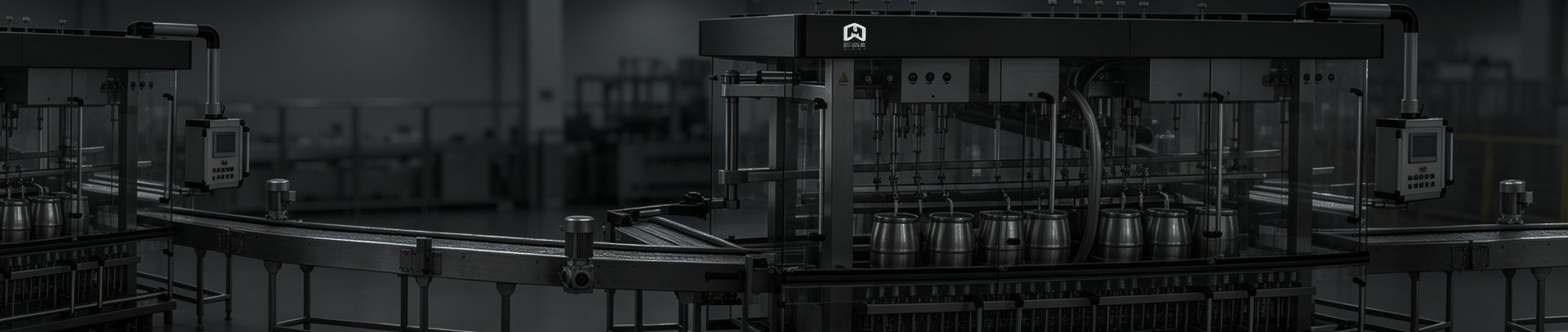
Keg Filling Machine by Output
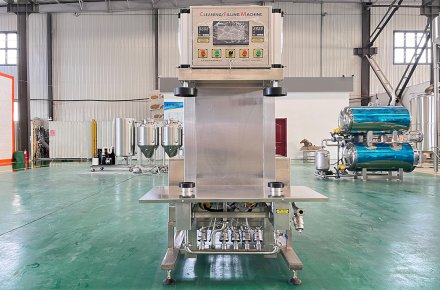
Keg filling machines provide a dedicated solution for transferring beer and other beverages into reusable stainless steel kegs. Available in different filling configurations and capacities, keg filling equipment can support craft breweries, beverage producers, and commercial production facilities with controlled filling, reduced product loss, and efficient keg packaging.
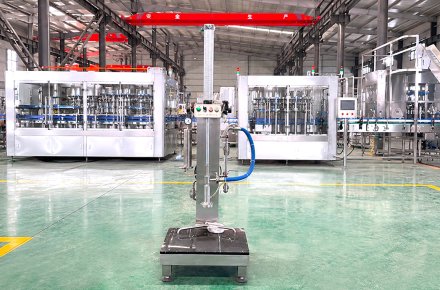
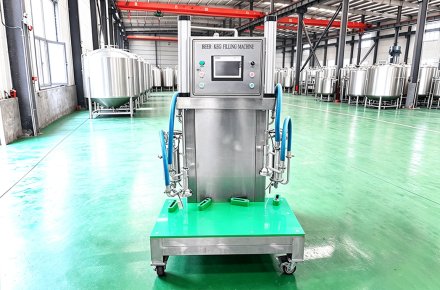
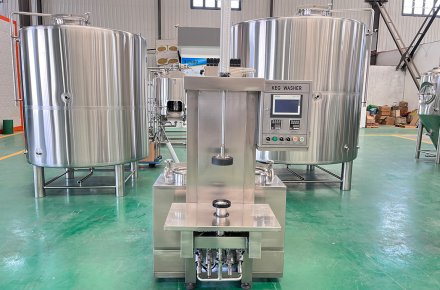
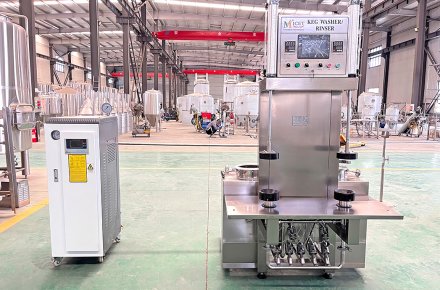
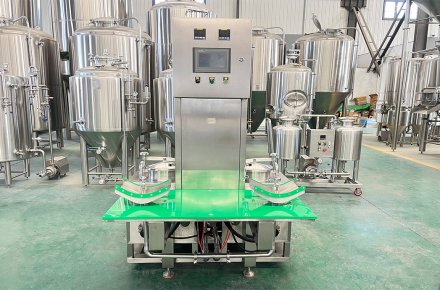
Advantages of Keg Filling Machines
Controlled keg filling technology, low oxygen transfer, stable pressure, and flexible configurations support efficient beer packaging and handling.
Low Oxygen Transfer
Controlled CO₂ pressure helps minimize oxygen pickup during keg filling.
Stable Pressure Control
Consistent pressure supports reliable beer filling and carbonation.
Multiple Keg Sizes
Flexible configuration accommodates different keg capacities and formats.
Efficient Keg Filling
Accurate filling helps reduce beer loss and improve production efficiency.
Get A Free Brewery Packaging Solution
Tell us about your project and our engineers will design a hybrid new + solution just for you.
Keg Filling Machine Production Process
Precision production process for reliable keg filling machines and efficient beverage packaging solutions.

Design & Planning
Design Beer Keg Filling Machine according to customer requirements, including keg type, capacity, and layout to ensure efficient operation.

Precision Manufacturing
Key components are manufactured using high-quality stainless steel and precise machining processes to ensure durability, hygiene, and stable filling performance.

Assembly & Integration
All mechanical parts, filling valves, pipelines, and control systems are carefully assembled to ensure accurate and reliable operation.

Performance Testing
The machine is thoroughly tested for filling accuracy, pressure control, and operational stability to ensure consistent performance during keg filling.

Packing
After final inspection, the machine is documented and securely packed to ensure safe transportation and delivery to the customer.
Keg Filling Machine Case
Keg filling machines suitable for global beer, juice, wine and beverage packaging solutions.

Keg Filling Machine FAQ
FAQ about keg filling machines, including capacity, applications, automation, and customization.
1.What is the difference between a keg washer and a keg filler, and what is a keg washer filler?
A keg washer cleans and sterilises empty kegs; a keg filler fills clean kegs with product under counter-pressure. A keg washer filler does both in one machine, so a keg goes from dirty to filled without being disconnected and moved between two machines. Integration removes transfer and staging time, reduces the risk of re-contamination between steps, and takes less floor space. Our range covers single-head and 2-head washers, fillers, and integrated washer-fillers.
2.How does CO₂ purging before filling reduce oxygen pickup?
Before filling, the keg is purged with CO₂ to displace the air and any condensate trace left after washing, then counter-pressurised to match the filling pressure. Filling into a CO₂ atmosphere instead of air is what keeps oxygen pickup low — oxygen is the main cause of staling and off-flavours in beer, cider and kombucha. Because the keg is already at counter-pressure, filling also runs without foaming, which protects both carbonation and fill accuracy.
3.What are the steps of keg washing before filling?
The standard sequence is pre-rinse with recovered water, hot caustic wash, intermediate rinse, steam or hot-water sterilisation, sterile-water rinse, and finally the CO₂ purge with counter-pressure; the washing media are water, hot water, caustic and sanitiser. The sequence and cycle times are configured to your product and to local hygiene requirements. Steam or hot-water sterilisation provides the microbial integrity, while the final CO₂ purge removes the condensate trace immediately before filling.
4.Should I choose single head or 2 head keg filling?
Single-head machines suit breweries filling a modest number of kegs per day and offer the lowest entry cost. A 2-head machine roughly doubles throughput for a modest increase in footprint and cost, and becomes the better choice once kegging is a routine daily task rather than an occasional one. Choose on kegs per day, and on how much kegging time you want to remove from the schedule.
5.Can a keg washer filler handle kombucha and cider, not just beer?
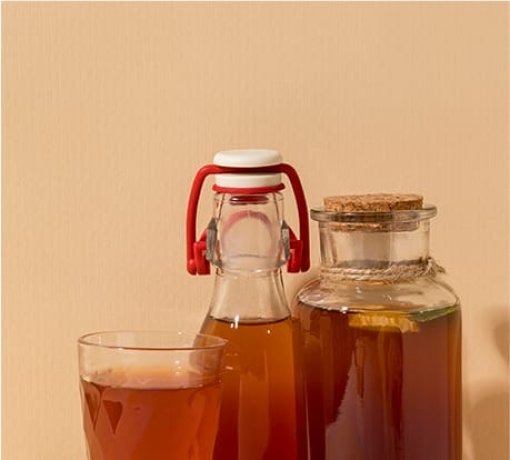
Yes. The same washing, sterilisation and counter-pressure filling process works for any carbonated beverage — cider, kombucha, sparkling beverages and other keg-packaged liquids. Kombucha and cider often need the same low-oxygen discipline as beer, because dissolved oxygen affects their shelf life and flavour stability. See our kombucha brewery page for the sector-specific configuration.
6.How many kegs per hour can the machine run?
On 50 L kegs a single-head machine runs about 25–35 kegs per hour and a 2-head machine about 50–70; on 20 L kegs the same machines reach roughly 60–75 and 120–150 kegs per hour, because a smaller keg cycles faster. Output depends mainly on keg size, fill volume and the number of filling heads; a 2-head machine roughly doubles the per-hour figure of a single-head unit of the same specification. On an integrated washer-filler, treat the figure as the whole cycle time per keg, because washing and filling pass the keg in sequence within one machine rather than in parallel.
7.What is the minimum oxygen pickup achievable in keg filling?
On a properly purged machine the pickup can be held to around 10 ppb — low enough that the CO₂ supply, rather than the filling step, becomes the main source of oxygen. The main levers on the machine are the completeness of the CO₂ purge before the fill valve opens, the counter-pressure level, and product temperature. Because the keg is a closed, reusable package, pickup should be measured in the filled keg under normal production conditions rather than from a laboratory sample — an off-line figure is not comparable.
8.Which keg sizes and spear types are supported?
The machine covers 5 L to 50 L stainless steel kegs, including the DIN and Euro (Sankey) formats at 20 L, 30 L and 50 L plus 5 L and 10 L party kegs, and the common spear types are A, D, G and S. Keg size is handled at the filling head: the machine uses head adaptors and changeable format parts, so switching from one keg type to another is an adaptor change rather than a second machine. Send us your keg specification and we will confirm which adaptors and format parts your mix requires.
Contact us for the latest quote
DESIMY, better equipment for a better you.
Let us know your production scale and needed equipment—we will reply with stock availability and a quote within 12 hours.